
MENU
0
UFE Procedures Performed
0
UFE Success
Rate

Most Insurances Accepted
When you’re searching for relief from uterine fibroids, surgery isn’t your only option. Non-surgical uterine fibroid embolization (UFE) can help you get back to living a full life on your terms.
Emage Fibroid Centers is ready to be your partner on your journey.
UFE: A Better
Fibroid Treatment
UFE is a safe, outpatient procedure that shrinks fibroids, reduces symptoms and can significantly improve your quality of life. Compared to a treatment like hysterectomy, it’s a gentler option that can make your wellness journey simpler and more comfortable.

No
Incisions
UFE is a non-surgical procedure with fewer risks compared to surgery. Patients only need a Band-Aid® post-procedure.

Calmer Healthcare
Experiences
UFE is performed in a private, fully equipped clinical setting that avoids the inconveniences and discomfort of hospitals.

Preserved
Fertility
UFE preserves the uterus and reproductive organs, making it a valuable option for those with fibroids who wish to have children.

Shorter
Recoveries
UFE patients go home on the same day as their procedure, and most women resume normal life within a week or less.
Life After
UFE Fibroid Treatment
UFE has successfully helped countless women leave the discomfort and inconvenience of fibroids behind.
Trusted Leaders
in Non-surgical Fibroid Treatment


Trusted Leaders
in Non-surgical Fibroid Treatment
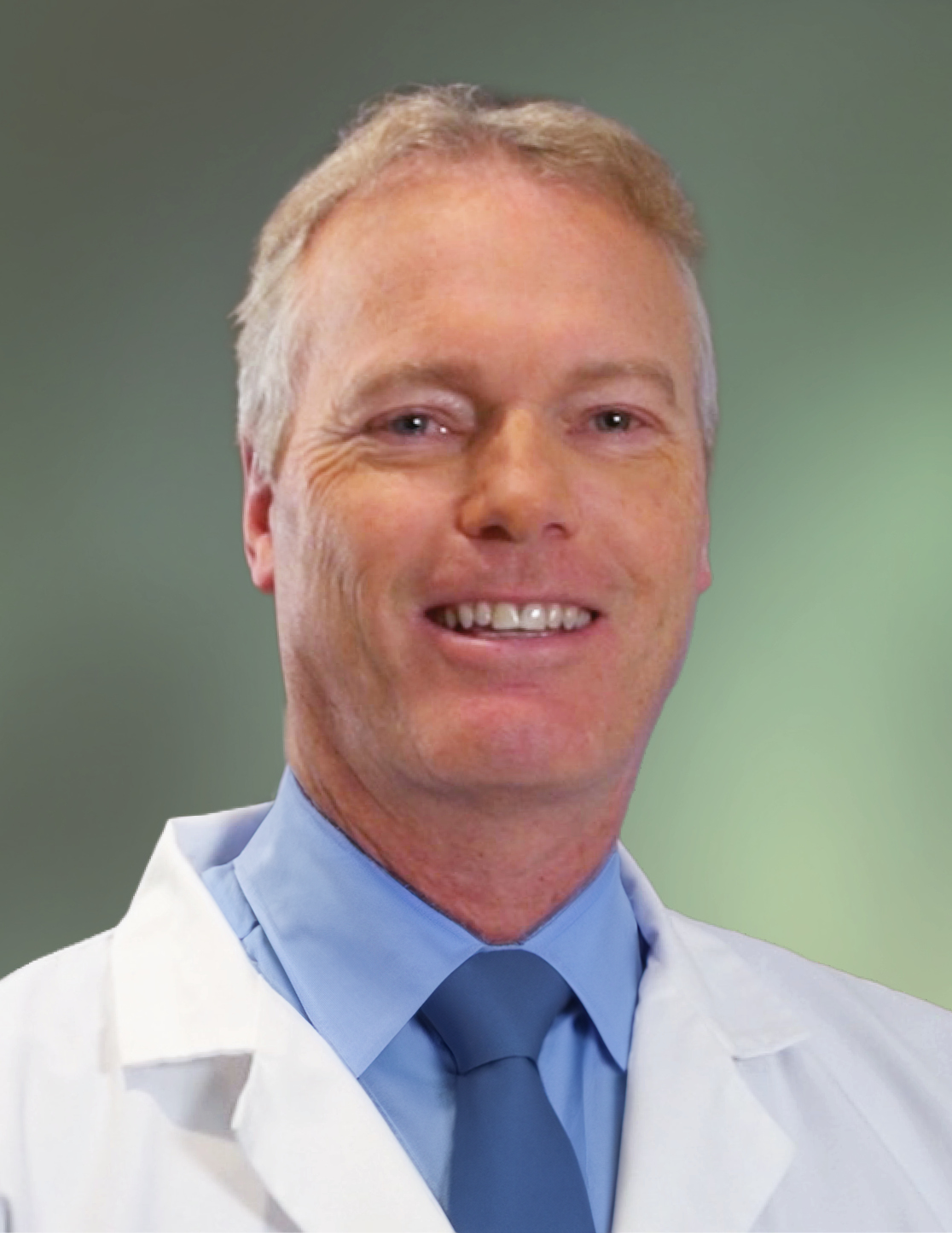
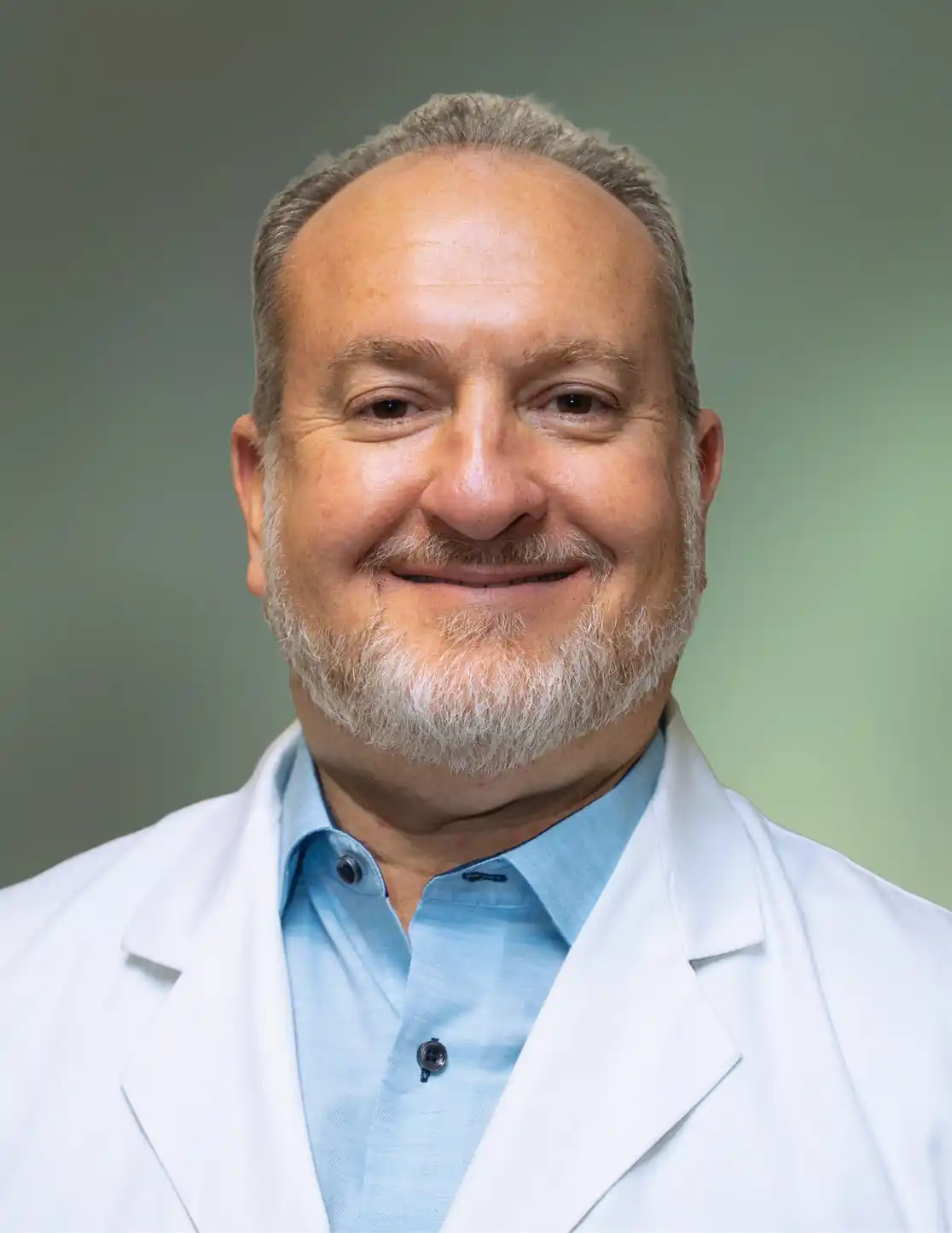
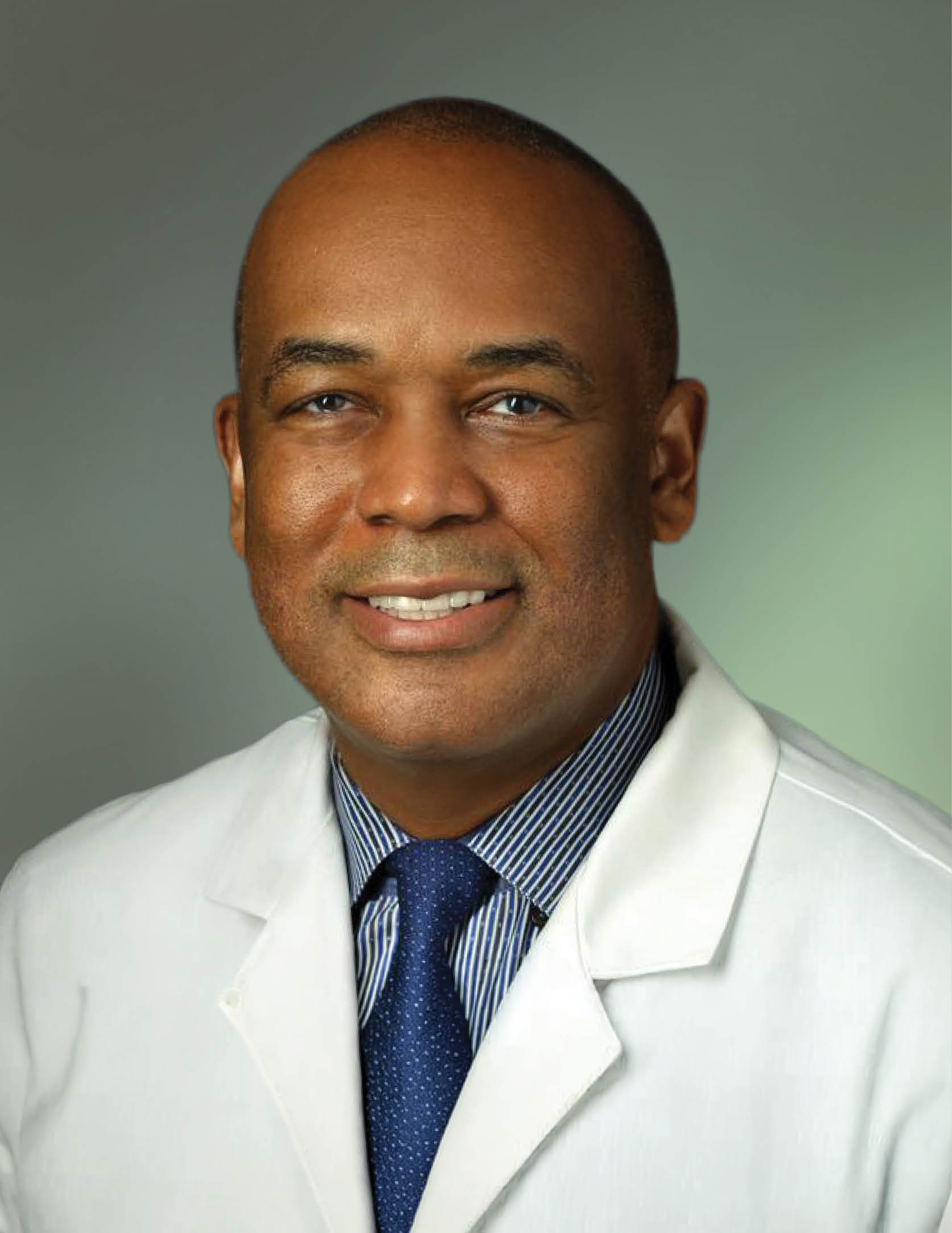
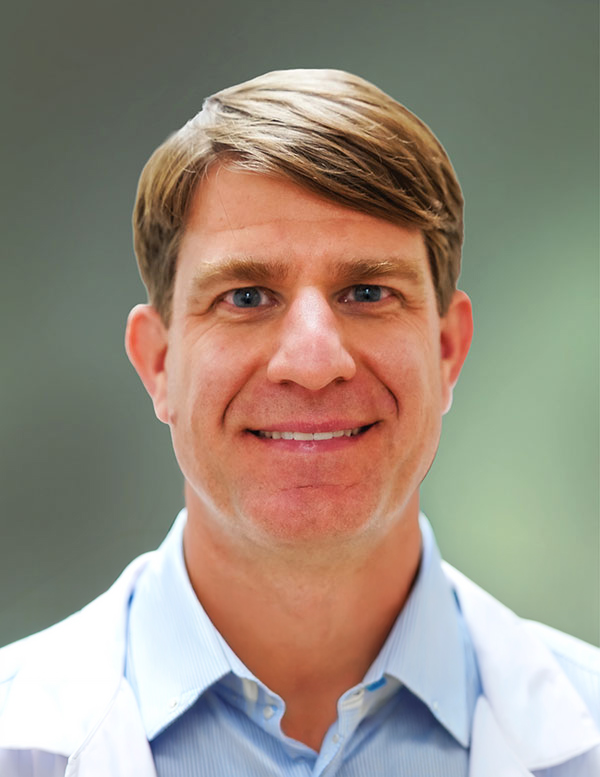
Emage Fibroid Centers’ network of experts is committed to delivering unrivaled, patient-centered healthcare that reduces pain, shortens recovery and most importantly, helps you feel better. Guided by the vision of Dr. John Lipman, one of the world’s leading UFE physicians, our goal is to ensure you have everything you need to navigate your fibroid treatment with confidence.
Schedule a ConsultYour Treatment Journey
at Emage Fibroid Centers
We strive to make the journey to a fibroid-free future easy, convenient and comfortable for every patient. Most women’s experiences look something like this:
Step 1: Consultation
Meet with an interventional radiologist physician in the privacy of one of our offices or via telehealth. We’ll discuss your medical history, your fibroid treatment goals and available options such as UFE. We’ll also cover insurance and financial details before recommending next steps.
Step 2: MRI Imaging
MRIs are painless outpatient tests that create high-resolution 3D images of your uterus and surrounding area. They provide clear pictures of fibroids from multiple angles, helping us get a good idea of the size, number and location. We’ll work with you to schedule an MRI at a convenient time.
Step 3: Candidacy Review
After your consultation and MRI, we’ll review your case to determine if you qualify for UFE. Most women who have been told they qualify for other fibroid treatments are usually candidates for UFE. Rarely, a fibroid may not be suitable for UFE, which is why we recommend an MRI beforehand.
Step 4: Procedure Day
Your UFE will be performed in the fully equipped, private X-ray room of our outpatient facility. Light sedation and local anesthetics will help you stay comfortable. The procedure usually takes less than an hour. You’ll then be able to rest for several hours before you can get up, eat and go home.
Step 5: Recovery
UFE recovery time is about a week, and women only need a Band-Aid® to cover the nick from the procedure. Throughout your recovery, your healthcare team will be there to support you with any assistance or questions. After you’ve recovered, we’ll likely order a follow-up MRI to ensure everything looks good and confirm that fibroids are disappearing.
UFE & Fibroid
Treatment Costs
Emage Fibroid Centers understands cost is always a consideration when seeking fibroid treatment. Whether using insurance or paying out of pocket, you’ll receive a detailed cost estimate during your initial consultation.
Insurance Accepted
UFE treatment is covered by most major insurance carriers, including Medicare and Medicaid. Costs will vary based on individual plan terms.
Emage Fibroid Centers is in-network with a wide range of insurance carriers. Accepted plans may vary by location. Check our location pages for more details or speak to your healthcare coordinator about your plan’s network status.
Facts About Fibroids
Fibroid awareness and education lie at the heart of our mission to empower women to make informed choices about their healthcare.
What are fibroids?
Uterine fibroids are noncancerous growths that arise from the muscular wall of the uterus. You can have one fibroid or many, and they can vary in size and location. Fibroids can cause multiple symptoms that may make everyday life difficult.
What are the symptoms of fibroids?
Fibroids affect everyone differently. Many women have no symptoms at all, while others experience challenges like:
- Heavy or prolonged periods
- Pelvic pain or pressure
- Frequent urination
- A visibly enlarged abdomen or bloating
- Back or leg pain
- Pain during intercourse
- Fatigue or anemia
- Infertility
Click here to learn more about the symptoms of fibroids.
Who is at risk of fibroids?
Any woman who has not had a hysterectomy is at risk of developing fibroids.
- Between 40 and 70% of all women will develop fibroids by age 50.
- African American women are three times more likely than caucasian women to experience fibroids, and up to 80% will develop them in their lifetimes.
- Hispanic women are twice as likely as caucasian women to develop fibroids.
Factors like obesity, diet, family history and overall health may also impact your fibroid risks.
What is the best treatment for uterine fibroids?
There are many different types of fibroid treatments, including:
- Non-surgical UFE
- Medications
- Lifestyle changes, such as diet and exercise
- Surgery such as hysterectomy or myomectomy
Depending on your symptoms, fertility goals, type of fibroids and other factors, one treatment may be a better fit for your life and future plans. Working with a knowledgeable fibroid expert can help you choose the treatment option that’s the best fit for you.
Uterine Fibroid Embolization
Band-Aid® Only
Incision length: mere millimeters, truly a skin nick
Where Fibroid Expertise
Meets Personal Healthcare

Emage Fibroid Centers is transforming healthcare by making it more convenient for women to get the fibroid relief they deserve and return to everyday life.
- Avoid the hospital and access healthcare in a welcoming, outpatient environment.
- Receive healthcare from the same team from consultation through follow-up.
- Work with physicians you can count on to deliver expert guidance without pressure.
- Enjoy a shorter average recovery time with non-surgical UFE.