
MENU
Non-surgical uterine fibroid embolization (UFE) is an effective fibroid solution trusted by countless women in metro Detroit and beyond. Learn how Emage Fibroid Centers may be able to help you get meaningful fibroid relief without surgery.
Our Local
Detroit office
Our Detroit fibroid treatment center is a welcoming, outpatient space designed with your comfort and convenience in mind.
29201 Telegraph Road, Suite 450, Southfield, Michigan
Monday – Friday
8:30 am – 5:00 pm
Saturday – Sunday
Closed
8:30 am – 5:00 pm
Saturday – Sunday
Closed
Detroit’s
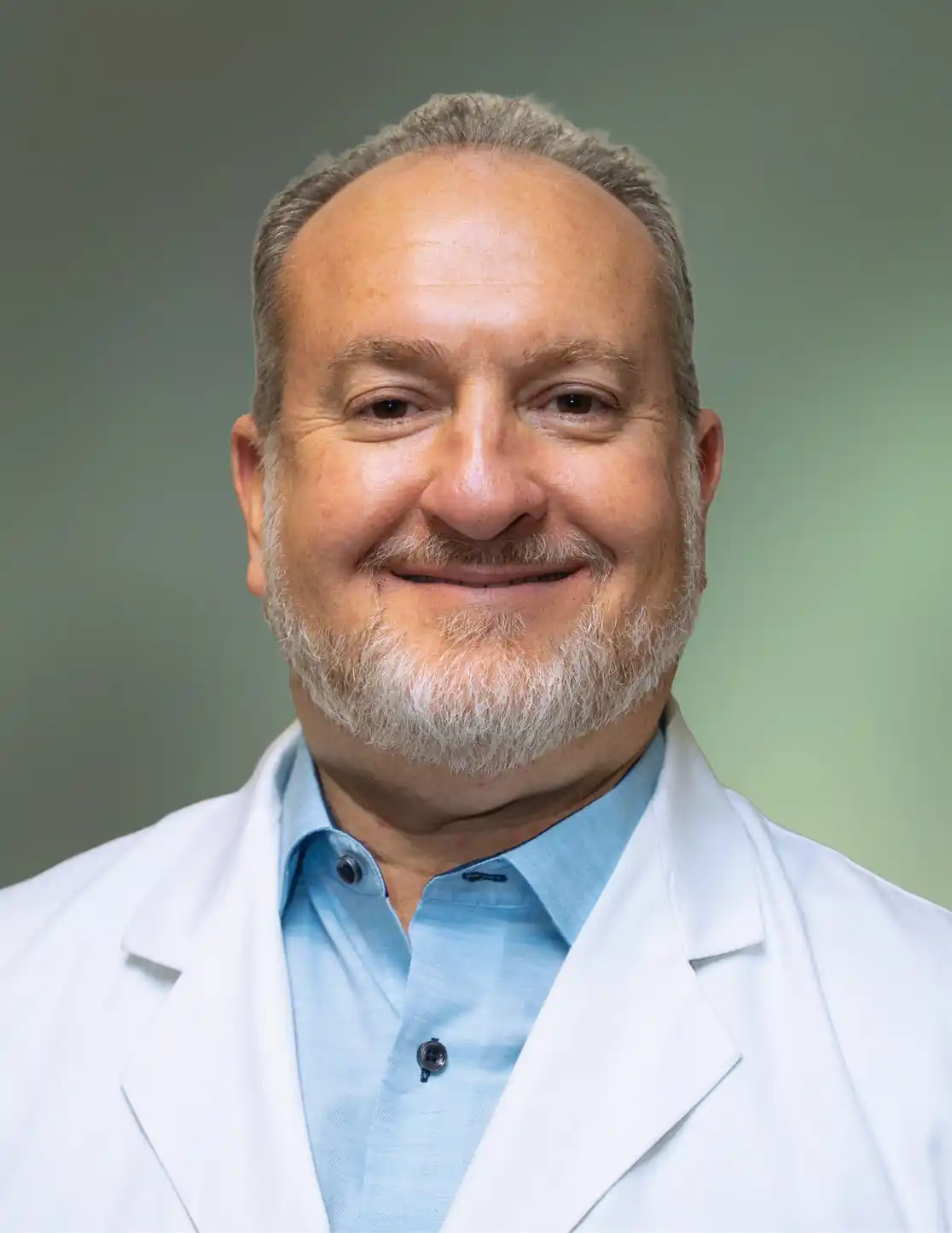
Trusted fibroid experts
Detroit’s
Trusted fibroid experts
Compassion and innovation are at the heart of everything we do. Beyond being experts in safer, gentler, non-surgical fibroid treatments like UFE, our Detroit team is fully committed to providing unrivaled service, healthcare and understanding that fully support each patient’s health goals.
Schedule a ConsultWhy
Choose ufe?
Compared to more traditional fibroid treatments like hysterectomy, ablation and laparoscopy surgery, UFE is a non-surgical alternative that can provide long-term symptom relief.

No
Incision
UFE is a non-surgical procedure with fewer risks compared to surgery. Patients leave our office with just a Band-AidⓇ.

Calmer Healthcare Experience
UFE is performed in a private, fully equipped clinical setting that avoids the inconveniences and discomfort of hospitals.

Preserve
Fertility
UFE preserves the uterus and reproductive organs, making it a valuable option for those with fibroids who wish to have children.

Shorter
Recovery
UFE patients go home on the same day as their procedure, and most people resume normal life within a week or less.
Your Journey
At our UFE treatment center
We strive to make the journey to a fibroid-free future easy, convenient and comfortable for every patient. Most people’s experiences look something like this:
STEP 1: Consultation
Meet with an interventional radiologist physician in the privacy of one of our local offices or via Telehealth. We’ll discuss your medical history, your fibroid treatment goals and available options, like UFE. We’ll also cover insurance and financial details before recommending next steps.
STEP 2: MRI Imaging
MRIs are painless outpatient tests that create high-resolution 3D images of your uterus and surrounding area. They provide clear pictures of fibroids from multiple angles, helping us get a good idea of the size, number and location. We’ll work with you to schedule an MRI at a convenient time.
STEP 3: Candidacy Review
After your consultation and MRI, we’ll review your case to determine if you qualify for UFE. Most patients who have been told they qualify for other fibroid treatments are usually candidates for UFE. Rarely, a fibroid may not be suitable for UFE, which is why we recommend an MRI beforehand.
STEP 4: Procedure Day
Your UFE will be performed in the fully equipped, private X-ray room of our outpatient facility. Light sedation and local anesthetics will help you stay comfortable. The procedure usually takes less than an hour. You’ll then be able to rest for several hours before you can get up, eat and go home.
STEP 5: Recovery
UFE recovery time is about a week, and women only need a Band-Aid® to cover the nick from the procedure. Throughout your recovery, your healthcare team will be there to support you with any assistance or questions. After you’ve recovered, we’ll likely order a follow-up MRI to ensure everything looks good and confirm that fibroids are disappearing.
Frequently
Asked Questions
What are fibroids?
Uterine fibroids are benign growths that arise from the muscular wall of the uterus. You can have one fibroid or many, and they can vary in size and location. Fibroids are almost always benign, but they can cause symptoms that make everyday life difficult.
What are the symptoms of fibroids?
Fibroids affect everyone differently. Many women have no symptoms at all, while others experience challenges like:
- Heavy or prolonged periods
- Pelvic pain or pressure
- Frequent urination
- A visibly enlarged abdomen or bloating
- Back or leg pain
- Pain during intercourse
- Fatigue or anemia
- Infertility
Who is at risk of fibroids?
Any woman who has not had a hysterectomy is at risk of developing fibroids.
- Between 40 and 70% of all women will develop fibroids by age 50.
- African American women are three times more likely than caucasian women to experience fibroids, and up to 80% will develop them in their lifetimes.
- Hispanic women are twice as likely as caucasian women to develop fibroids.
Factors like obesity, diet, family history and overall health may also impact your fibroid risks.
What is the best treatment for uterine fibroids?
There are many different types of fibroid treatments, including:
- Non-surgical UFE
- Medications
- Lifestyle changes, such as diet and exercise
- Surgery such as hysterectomy or myomectomy
Depending on your symptoms, fertility goals, type of fibroids and other factors, one treatment may be a better fit for your life and future plans. Working with a knowledgeable fibroid expert can help you choose the treatment option that’s right for you.
What is uterine fibroid embolization (UFE)?
UFE, sometimes called UAE, is an effective, safe, non-surgical procedure for treating uterine fibroids. It’s another option to fibroid surgeries that often require inpatient stays, general anesthesia and long recovery periods.
UFE involves injecting tiny particles into each uterine artery, cutting off the blood supply to all fibroids in the uterus. Without a blood supply, the fibroids will soften, shrink and die off. As this occurs, most symptoms begin to resolve.