
MENU
Can Uterine Fibroids
Cause Frequent Urination
Frequent urination is easy to dismiss as a normal part of aging or an overactive bladder. Yet, it can be a common, treatable symptom of uterine fibroids, not something you have to live with daily. A recent medical study reveals that more than half of women seeking treatment for uterine fibroids experience frequent daytime urination, and 47 percent wake at least two times a night to go to the bathroom.
In addition to common symptoms, including heavy bleeding, pelvic pain and infertility, fibroids can cause frequent urination. Fibroids can cause frequent urination when their size or location puts pressure on the bladder. Over time, these urinary symptoms can interfere with sleep, daily activities and overall quality of life.
The doctors at Emage Fibroid Centers help you determine if fibroids are causing frequent urination and provide guidance on non-surgical treatment options.
Signs of
Frequent Urination
Frequent urination isn’t only about how many trips you make to the bathroom. Changes in how urgently you need to go and whether your bladder feels empty afterward can also signal a urinary issue. While bathroom habits vary from person to person and can be affected by how much you drink, medications and other factors, a noticeable change from your normal routine should not be dismissed. Watch for these common signs:
Urinary Urgency
A sudden, hard-to-ignore need to go, even when the bladder isn’t full.
Nighttime Urination (nocturia)
Waking multiple times a night to use the bathroom.
Incomplete Emptying
Feeling like the bladder is still full right after going.
Increased Frequency
Needing to urinate more often than usual for you, sometimes eight or more times in 24 hours.
Why Can Fibroids
Cause Frequent Urination?
The uterus and bladder sit close together in the pelvis, so a fibroid growing toward the bladder can press against it, leaving less room for it to expand as it fills. As a result, the bladder may signal that it’s full sooner, causing you to feel the urge to urinate more often. Even a smaller fibroid can cause noticeable symptoms if it’s positioned near the bladder.
Here’s how fibroids can affect your bladder:
- Reduced Bladder Capacity: Growing fibroids can change the shape of the uterus and crowd the space the bladder needs to fill normally, so it holds less urine.
- Fibroid Location and Growth: Urinary symptoms may be more noticeable with larger fibroids or fibroids located close to the bladder. Even smaller fibroids can cause symptoms depending on their location.
When Should You See a
Fibroid Specialist
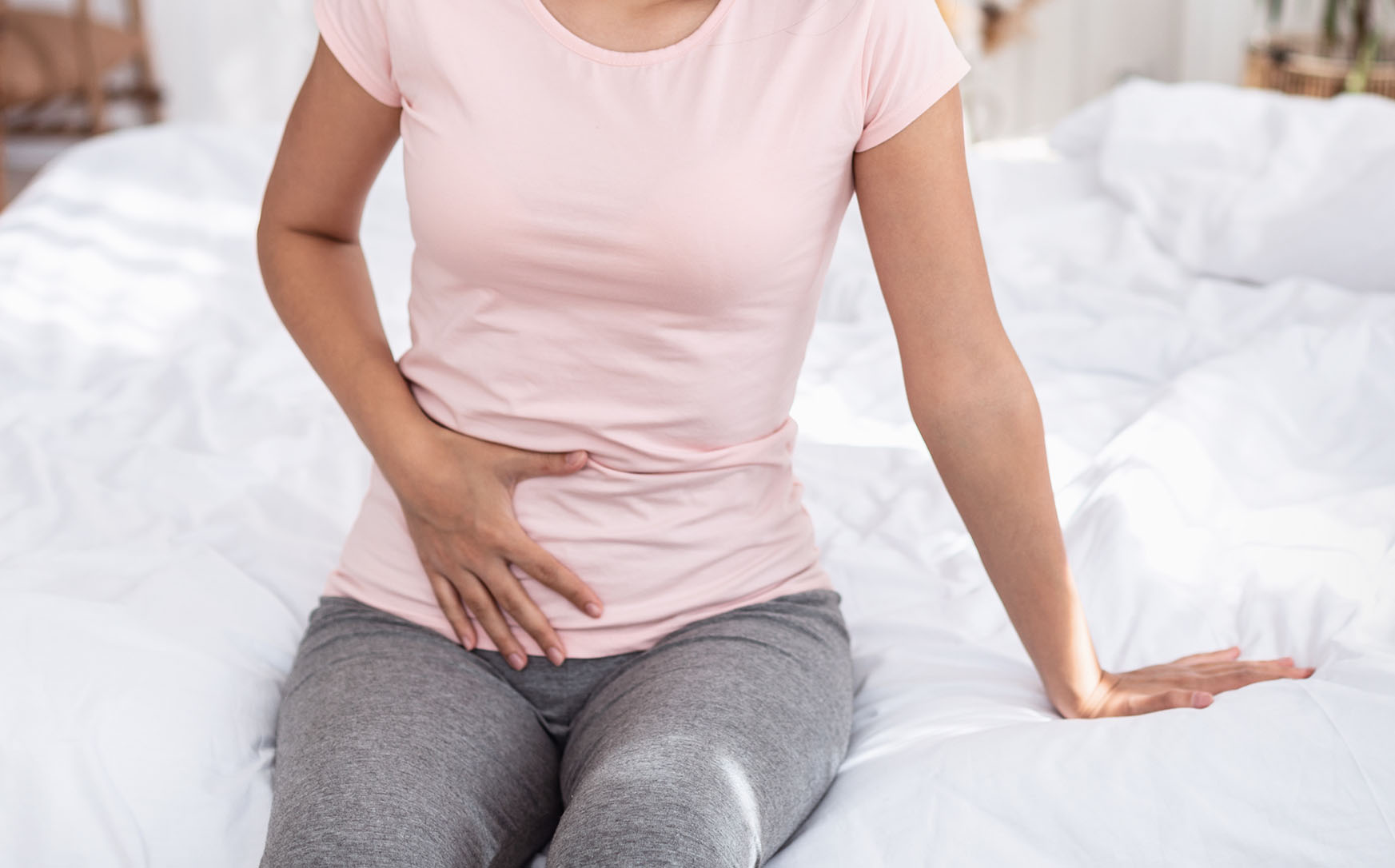
Women can suffer from frequent urination for a variety of reasons, including urinary tract infections (UTIs), pregnancy, menopause, overactive bladder, diabetes and certain medications. Getting an accurate diagnosis is important, especially if bathroom trips are affecting your sleep or daily routine. Schedule an evaluation if frequent urination is ongoing.
Consider scheduling an evaluation as soon as possible if frequent urination is persistent or accompanied by:
- Heavy bleeding
- Pelvic pain or pressure
- Leaking urine (incontinence)

Diagnosing Fibroids
as a Cause of Frequent Urination
Because frequent urination can have many possible causes, proper diagnosis is key to determining whether fibroids are contributing to your symptoms. Your provider may ask about changes in your bathroom habits, other fibroid symptoms and how long you’ve been experiencing them.
Depending on your symptoms, your healthcare provider may use a urinalysis or urine culture to check for a urinary tract infection. They’ll also review medications and fluid intake. It may be necessary to get additional testing for conditions such as diabetes or overactive bladder.
At Emage Fibroid Centers, our board-certified interventional radiologists use imaging tests such as ultrasound and MRI to evaluate the size, number and location of fibroids. This helps determine whether they may be putting pressure on the bladder. Connecting your urinary symptoms to your fibroids helps guide an individualized treatment plan.
Explore Your Options for
Lasting Relief from Frequent Urination
At Emage Fibroid Centers, our experts specialize in diagnosing and treating uterine fibroids using minimally invasive techniques designed to reduce symptoms and improve quality of life. Unlike surgery, uterine fibroid embolization (UFE) is an outpatient procedure with a short recovery time. As your fibroids shrink, pressure on the bladder may decrease, which can help improve frequent urination, urgency and other pressure-related symptoms.
Benefits of UFE:

Proven Symptom Relief

Minimally Invasive Procedure

Faster Recovery Than Surgery

Preserved
Fertility
Frequently Asked Questions
About Frequent Urination and Fibroids
How is fibroid-related frequent urination treated?
Treatment depends on how much the symptoms affect daily life and whether fibroids are confirmed as the cause. Options can include monitoring mild symptoms, medications to manage certain fibroid symptoms and procedures that shrink or remove fibroids.
For women who want to avoid surgery, uterine fibroid embolization (UFE) is a minimally invasive option.
Can fibroids cause urinary incontinence?
Yes. Fibroids can sometimes contribute to urinary incontinence, particularly when their size or location puts pressure on the bladder. This pressure can cause urinary urgency and may make it harder to reach the bathroom before urine leaks.
How many times a day is considered frequent urination?
There isn’t one specific number that defines frequent urination for everyone. Going more often than what’s normal for you, especially if the change is persistent or disrupts your daily activities or sleep, may be considered frequent urination.