
MENU
Can Uterine Fibroids
Cause Back Pain?
Heavy menstrual bleeding is one of the most recognizable symptoms of uterine fibroids, but for many women, chronic lower back pain can be just as disruptive. If you’ve been living with persistent back pain that doesn’t seem to have a clear cause, fibroids may be contributing to your discomfort.
Research suggests that lower back pain affects up to 65 percent of women with fibroids. As fibroids grow larger or become more numerous, they can place increasing pressure on nearby tissues, making discomfort more frequent or severe.
What Does Fibroid
Back Pain Feel Like?
Living with constant back pain can make even simple daily activities feel exhausting. Whether you’re sitting at work, standing to cook dinner or trying to get comfortable in bed, persistent discomfort can take a toll on your quality of life. While every woman’s experience is unique, back pain from fibroids commonly presents in these ways:
A Dull, Achy Sensation
Deep, persistent lower back pain may feel like an ongoing muscle strain. Many women may also notice pain increases during menstruation or physical activity.
Continuous Stiffness
Ongoing stiffness or weakness that doesn’t improve with stretching or rest.
Worsened by Prolonged Positions
Back pain can become worse after sitting or standing in one position for extended periods.
Widespread Pain and Sciatica
Pain may spread into the hips, buttocks, or legs. In some cases, fibroids can also irritate the sciatic nerve, causing numbness, tingling or shooting leg pain.
When Should You See a
Fibroid Specialist
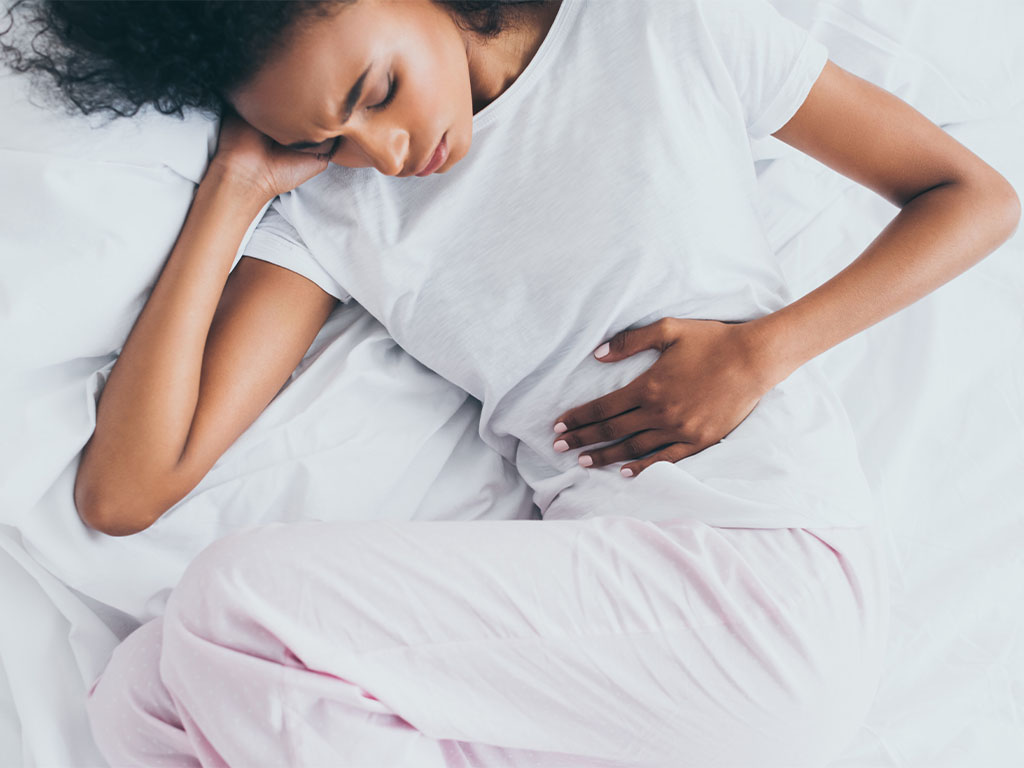
Many women assume back pain is simply part of normal life, but that doesn’t mean you should have to live with it. If back pain persists despite home remedies or begins interfering with your daily life, it’s important to speak with a healthcare provider.
A fibroid specialist can provide an accurate diagnosis, discuss treatment options and create a personalized care plan to help reduce symptoms and improve your well-being.
Make an appointment right away if back pain is accompanied by:
- Heavy bleeding
- Pelvic pain and pressure
- Constipation and bloating
- Pain during intercourse
- Frequent urination

Diagnosing Fibroids
as a Cause of Back Pain
Lower back pain has many possible causes, including muscle strain, arthritis, spinal conditions and uterine fibroids. Because symptoms often overlap, receiving an accurate diagnosis is the best way to identify the source of your pain and choose the most effective treatment.
Our board-certified interventional radiologists use imaging tests such as ultrasound and MRI to determine whether fibroids are contributing to symptoms. We’ll then work with you to develop an individualized treatment plan.
Explore Your Options for
Back Pain Relief
Major surgeries like a hysterectomy or a surgical myomectomy are not your only option for pain relief. At Emage Fibroid Centers, our experts specialize in diagnosing and treating uterine fibroids using minimally invasive techniques designed to reduce symptoms and improve quality of life.
Unlike surgery, Uterine Fibroid Embolization (UFE) is an outpatient procedure with a short recovery time.
Benefits of UFE:

Proven Symptom Relief

Minimally Invasive Procedure

Faster Recovery Than Surgery

Preserved
Fertility
Frequently Asked Questions
About Fibroid Back Pain
Can fibroids cause lower back pain?
Yes. Large or posterior fibroids can put pressure on nearby muscles and nerves, leading to persistent lower back pain.
Where is fibroid back pain usually located?
Fibroid back pain is usually felt in the lower back but may also spread to the hips, buttocks or upper legs.
Can fibroids cause sciatica?
In some cases, large fibroids can compress the sciatic nerve, causing pain, numbness or tingling that radiates down the leg.
Are there at-home remedies to relieve fibroid back pain?
Some women may find pain relief with at-home methods, such as a heating pad, NSAIDs and exercise. Gentle stretching, walking, improving posture and avoiding prolonged sitting help. These approaches may temporarily ease discomfort, but they do not treat or shrink uterine fibroids.
Can small fibroids cause back pain?
Small fibroids typically don’t cause back pain unless they are located where they press on nearby nerves or tissues.