
MENU
Can Uterine Fibroids
Cause Painful Sex?
Many women with uterine fibroids experience discomfort during intimacy, and the physical and emotional effects can take a toll on their relationships, confidence and overall quality of life.
Uterine fibroids can cause pain during sex, particularly when they grow in areas that place pressure on the cervix, uterine wall or surrounding pelvic organs. Research shows that women with uterine fibroids are more likely to experience painful sex, especially when fibroids press against sensitive areas inside the pelvis. According to one medical study, 22 percent of women with fibroids reported pain during intercourse within the previous year, compared with 15 percent of women without fibroids.
The effects often extend beyond physical discomfort. Pain during sex, heavy menstrual bleeding, fatigue and anxiety about intimacy can make it difficult to enjoy a healthy, fulfilling sex life. Many women worry that painful intercourse is something they simply have to live with, but that’s not the case.
At Emage Fibroid Centers, we help women understand the causes of their symptoms and explore minimally invasive, non-surgical treatment options that address fibroids without a hysterectomy.
Can Fibroids Cause Bleeding
During or After Sex?
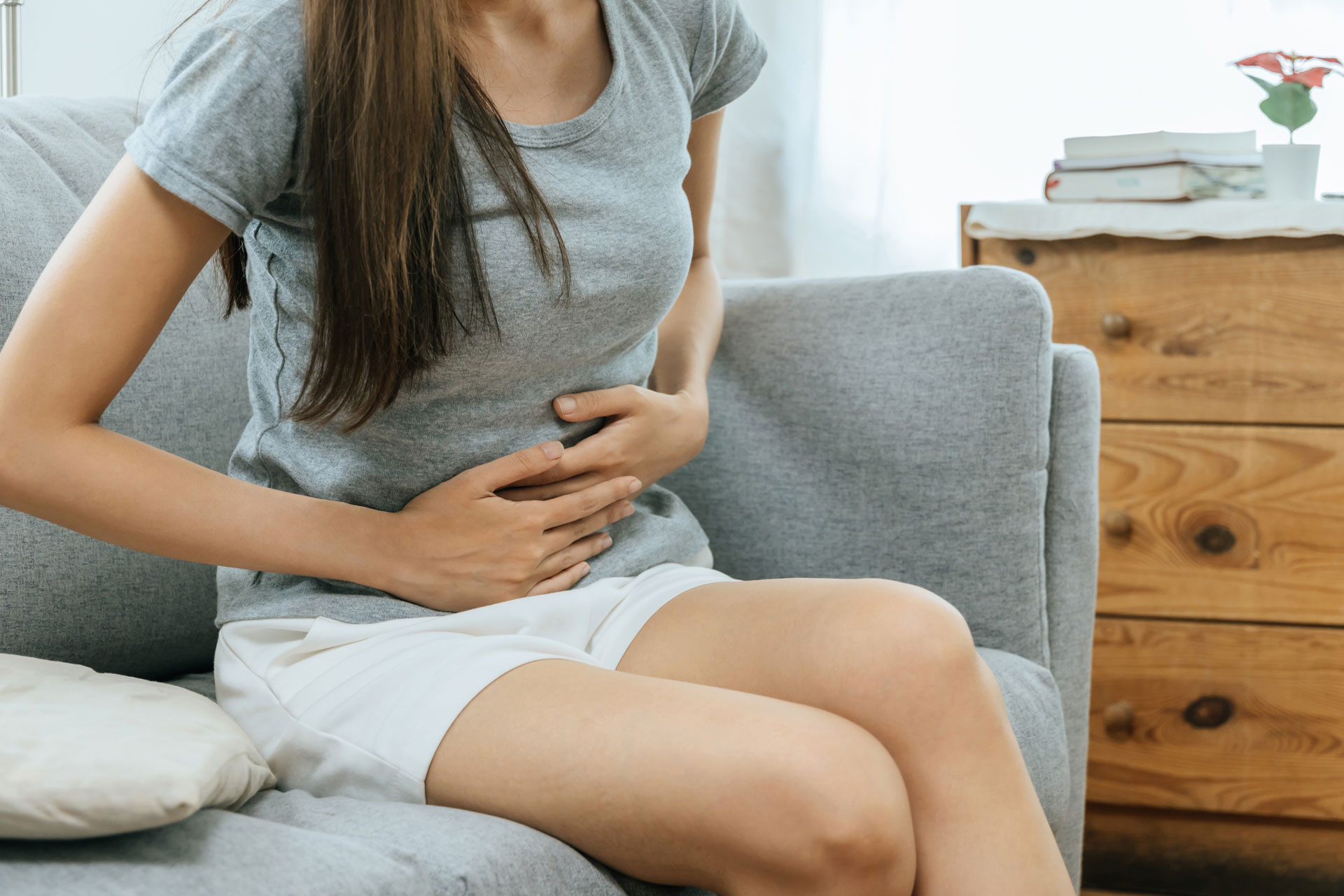
Fibroids located near the cervix or within the uterine cavity can cause bleeding during or after intercourse. Friction during sex may irritate nearby blood vessels and sensitive tissue, resulting in spotting or heavier bleeding.
Bleeding isn’t the only way fibroids can affect intimacy. Heavy menstrual bleeding caused by fibroids can lead to anemia, leaving many women feeling tired or lacking energy for sex. Some women also experience hormonal changes that may contribute to lower libido or vaginal dryness, increasing friction and discomfort during intercourse.
Although fibroids are a common cause of bleeding after sex, they are not the only cause. Cervical polyps, infections, hormonal changes and more can also lead to this type of bleeding. A healthcare provider should evaluate any bleeding during or after sex to determine the underlying cause.

How Doctors Diagnose Fibroids
as a Cause of Painful Sex
While fibroids can make sex painful, an accurate diagnosis can make all the difference in your health and wellness.
Our board-certified interventional radiologists use imaging tests such as ultrasound and MRI to determine whether fibroids are contributing to symptoms. We’ll then work with you to develop an individualized treatment plan.
Practical Tips and Alternative Options
for Lasting Relief
While lifestyle adjustments may help reduce discomfort during intimacy, they don’t eliminate the fibroids causing the symptoms. If pain continues or worsens, treatment that targets the fibroids themselves may provide more lasting relief.
Immediate Positional Adjustments
Changing positions can reduce pressure on fibroids during intercourse. Side-lying positions or being on top often allow for greater control over penetration depth, helping minimize contact with fibroids located near the cervix or upper uterus.
Moisture Management
If vaginal dryness is contributing to discomfort, a high-quality water-based lubricant can reduce friction and improve comfort during sex. Avoid scented or irritating products that may increase sensitivity.
Pelvic Floor Relaxation
Pelvic muscles often tighten in anticipation of pain, making intercourse even more uncomfortable. Gentle stretching, diaphragmatic breathing, yoga or working with a pelvic floor physical therapist may help relax these muscles and reduce pain over time.
Minimally Invasive Clinical Care
Home remedies can help manage symptoms, but they don’t shrink fibroids. Fortunately, surgery isn’t the only treatment option.
Uterine Fibroid Embolization (UFE) is a minimally invasive outpatient procedure performed by an interventional radiologist. Using advanced imaging guidance, tiny particles are delivered into the arteries supplying blood to the fibroids. Without their blood supply, the fibroids gradually shrink, relieving pelvic pressure, heavy bleeding and pain during intercourse.
Reclaim Your Intimacy
And Well-Being
Painful sex doesn’t have to become your new normal. If fibroids are interfering with your relationships, confidence or quality of life, effective treatment options are available.
At Emage Fibroid Centers, our experts specialize in diagnosing and treating uterine fibroids using minimally invasive techniques designed to reduce symptoms and improve quality of life. Unlike surgery, UFE is an outpatient procedure with a short recovery time. Unlike surgery, Uterine Fibroid Embolization (UFE) is an outpatient procedure with a short recovery time.
Benefits of UFE:

Proven Symptom Relief

Minimally Invasive Procedure

Faster Recovery Than Surgery

Preserved
Fertility
Frequently Asked Questions
About Painful Sex
Why do fibroids make sex painful?
Fibroids can make sex painful by pressing on sensitive tissues in the pelvis or changing the position of the uterus. During penetration, pressure against these growths may cause sharp pain, cramping or a deep aching sensation. Larger fibroids or those located near the cervix are more likely to cause discomfort.
Can fibroids lower your sex drive?
They can. While fibroids don’t directly cause low libido, symptoms such as chronic pelvic pain, heavy bleeding, fatigue from anemia and anxiety about painful intercourse can reduce sexual desire. Some women also experience vaginal dryness, which can make intimacy less comfortable.
Will fibroid pain during sex go away on its own?
Not usually. While symptoms may fluctuate with hormonal changes or the menstrual cycle, fibroids typically do not disappear before menopause. If pain during sex persists or worsens, a medical evaluation can help determine whether fibroids are the cause and what treatment options are available.
When should I see a doctor about painful sex?
You should schedule an evaluation if pain during sex is frequent, severe, or accompanied by heavy menstrual bleeding, bleeding after intercourse, pelvic pressure or other ongoing symptoms. A healthcare provider can determine whether fibroids or another condition is responsible and recommend the most appropriate treatment.