
MENU
Can Uterine Fibroids
Cause Heavy Periods?
Many women wonder, “Can fibroids cause heavy periods?” The answer is yes.
Up to 40% percent of women with uterine fibroids experience unusually heavy periods, known as menorrhagia, and heavy menstrual bleeding is actually the most common symptom of uterine fibroids. So, if you’re soaking through pads or tampons, passing large blood clots or dealing with periods that seem to last forever, fibroids could be the cause.
Fibroids are noncancerous growths that develop in or around the uterus and can interfere with its normal function. They may increase blood flow, enlarge the uterine lining and make it harder for the uterus to control bleeding during menstruation. Fibroids can also cause pelvic pain and pressure, pain during intercourse, frequent urination, constipation, and back and leg pain, among other symptoms.
At Emage Fibroid Centers, we help women find answers and explore minimally invasive, non-surgical treatment options.
When Should You See a
Fibroid Specialist
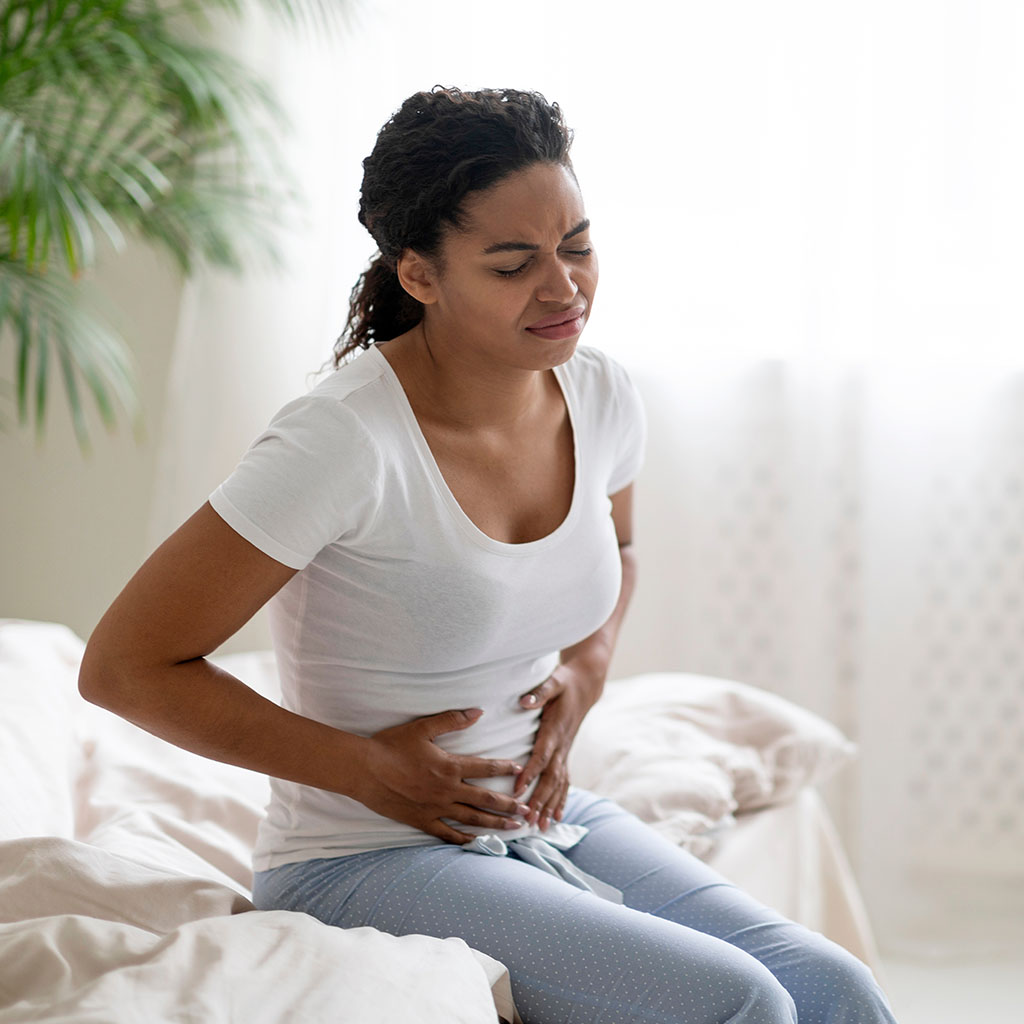
Many women assume heavy periods are simply part of normal life, but that doesn’t mean you should have to live with them. If your periods are becoming heavier, lasting longer, causing fatigue, interfering with daily activities or requiring you to change pads or tampons frequently, it’s important to speak with a healthcare provider.
A fibroid specialist can provide an accurate diagnosis, discuss treatment options and create a personalized care plan to help reduce symptoms and improve your well-being.
Make an appointment right away if heavy bleeding is accompanied by:
- Pelvic pain and pressure
- Constipation and bloating
- Pain during intercourse
- Frequent urination

Diagnosing Fibroids
as a Cause of Heavy Bleeding
You can experience heavy periods for a variety of reasons, including endometriosis, hormonal imbalances or other gynecological conditions. While fibroids are a likely cause of heavy bleeding, an accurate diagnosis can make all the difference in your health and wellness.
Our board-certified interventional radiologists use imaging tests such as ultrasound and MRI to determine whether fibroids are contributing to symptoms. We’ll then work with you to develop an individualized treatment plan.
Explore Your Options for
Heavy Bleeding Relief
At Emage Fibroid Centers, our experts specialize in diagnosing and treating uterine fibroids using minimally invasive techniques designed to reduce symptoms and improve quality of life. Unlike surgery, Uterine Fibroid Embolization (UFE) is an outpatient procedure with a short recovery time.
Benefits of UFE:

Proven Symptom Relief

Minimally Invasive Procedure

Faster Recovery Than Surgery

Preserved
Fertility
Frequently Asked Questions
About Heavy Fibroid Bleeding
Can fibroids cause heavy bleeding?
Heavy menstrual bleeding is one of the most common symptoms of uterine fibroids, particularly submucosal fibroids.
Why do fibroids cause heavy periods?
Fibroids can increase the surface area of the uterine lining, disrupt normal uterine contractions and affect blood vessel growth, leading to heavier periods.
Can fibroids cause blood clots during menstruation?
Heavy bleeding caused by fibroids can result in passing large menstrual blood clots.
Can fibroids cause bleeding between periods?
Some women experience spotting or breakthrough bleeding, especially with certain fibroid types.
Can heavy bleeding from fibroids cause anemia?
Yes. Chronic blood loss can lead to iron-deficiency anemia, causing fatigue, dizziness and weakness.
How are fibroids that cause heavy bleeding treated?
Treatment options vary based on symptoms and goals, but uterine fibroid embolization (UFE) offers a minimally invasive alternative to surgery for many women.
When should I worry about heavy menstrual bleeding?
Seek a medical evaluation if your periods last longer than seven days, require frequent pad or tampon changes, include large clots or cause symptoms of anemia.