
MENU
Can Uterine Fibroids
Cause Infertility?
Being diagnosed with fibroids does not automatically mean you will have fertility problems. In fact, many women with uterine fibroids become pregnant naturally and go on to have healthy pregnancies. However, for some women, fibroids can make it more difficult to become pregnant or carry a pregnancy to term.
About 10 percent of women seeking fertility treatment have uterine fibroids. Whether fibroids affect fertility depends on their size, number and location within the uterus. Submucosal fibroids, which grow inside the uterine cavity, are most commonly associated with infertility because they can change the shape of the uterus and interfere with implantation. Other fibroids that significantly distort the uterus may also make it more difficult to conceive or maintain a pregnancy.
Because every woman’s situation is unique, it’s important to receive an accurate diagnosis before assuming fibroids are the cause of infertility. A fertility specialist or fibroid expert can determine whether your fibroids are likely affecting your ability to conceive and discuss the most appropriate treatment options.
At Emage Fibroid Centers, we help women understand how fibroids may affect their fertility and overall reproductive health. Education is a core part of our approach, so we provide clear, evidence-based information to help patients make informed decisions about their care.
Our team also offers comprehensive evaluations and minimally invasive, non-surgical treatments designed to relieve symptoms while preserving the uterus.
When Should You See a
Fibroid Specialist
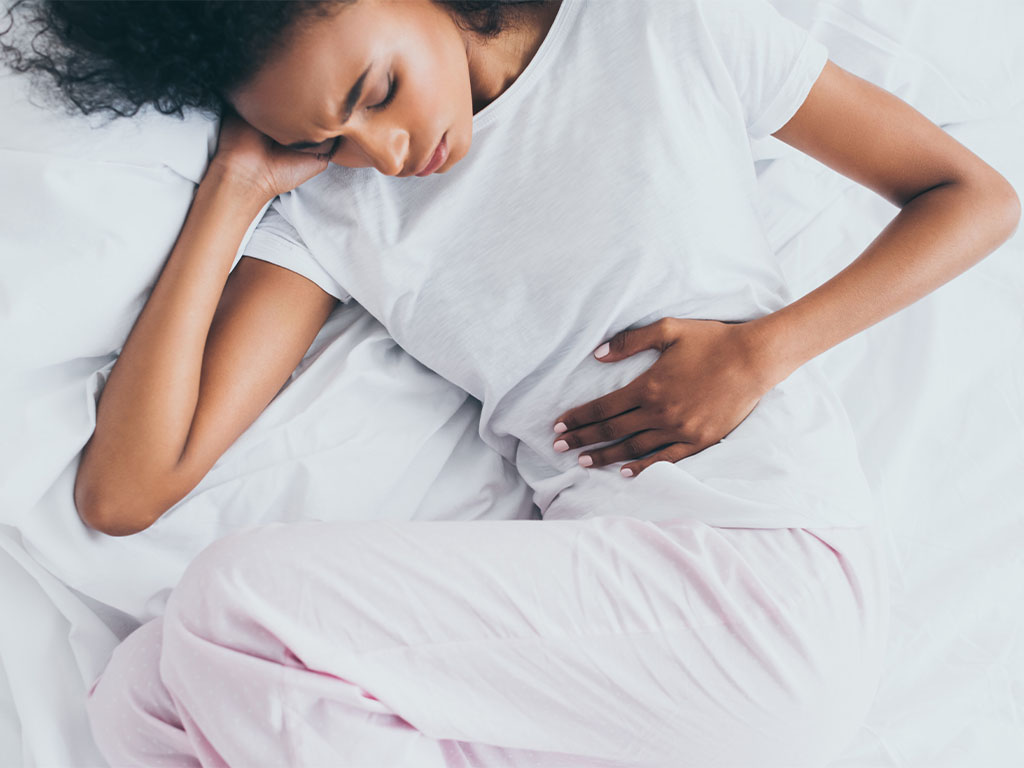
The average delay before women seek fibroid treatment is 3.6 years. Women often delay treatment because symptoms develop gradually. Many women dismiss symptoms as a normal part of aging or menstruation. They also worry treatment could affect their fertility. Others don’t realize fibroids may be contributing to fertility challenges until they’ve been trying to conceive or have experienced pregnancy complications.
A fibroid specialist can provide an accurate diagnosis, discuss treatment options and create a personalized care plan to help with your fertility concerns.
Seek treatment from a fibroid specialist if:
- You’ve experienced recurrent pregnancy loss.
- You’re undergoing fertility treatments.
- You have been diagnosed with fibroids and are planning a pregnancy.
- You’re experiencing significant fibroid symptoms.

Diagnosing Fibroids
as a Cause of Infertility
If you’re having trouble getting pregnant and fibroids are suspected, your provider will determine whether the fibroids are likely affecting your fertility. At Emage Fibroid Centers, our board-certified interventional radiologists use advanced imaging, including ultrasound and MRI, to look at the size, number and location of your fibroids. These images help determine whether the fibroids are changing the shape of the uterus, making it harder for a fertilized egg to implant or a pregnancy to develop.
After your evaluation, we’ll review the results with you and develop a personalized treatment plan based on your symptoms, fertility goals and overall health.
Explore Your Options for
Fibroid Treatment
At Emage Fibroid Centers, our experts specialize in diagnosing and treating uterine fibroids using minimally invasive techniques designed to reduce symptoms and improve quality of life. Unlike surgery, Uterine Fibroid Embolization (UFE) is an outpatient procedure with a short recovery time.
Benefits of UFE:

Proven Symptom Relief

Minimally Invasive Procedure

Faster Recovery Than Surgery

Preserved
Fertility
Frequently Asked Questions
About Infertility
Is it harder to get pregnant with fibroids?
Not always. Most women with fibroids can become pregnant, but certain fibroids may reduce the chances of conception or increase the risk of miscarriage or pregnancy complications. The impact varies from person to person.
Which fibroids are most likely to cause infertility?
Submucosal fibroids, which grow inside the uterine cavity, are most commonly associated with infertility because they can interfere with implantation. Larger fibroids that change the shape of the uterus may also affect fertility.
Can fibroids cause miscarriage?
Yes. Some fibroids, particularly those that distort the uterine cavity, may increase the risk of miscarriage or other pregnancy complications. Not all fibroids affect pregnancy, so an evaluation is important.
Should fibroids be treated before trying to get pregnant?
Not always. Treatment depends on whether the fibroids are causing symptoms or affecting fertility. A fibroid specialist can recommend whether monitoring, myomectomy, or Uterine Fibroid Embolization (UFE) is the most appropriate option based on your individual circumstances.